Additional Self-Regulation Resources

Via Charlie Naylor:

Resources gathered by BCTF Information Services (Emily O’Neill and Karen Rojem) on self-regulation that was done for one of the Okanagan Inquiry groups.

Dr. Charles Pascal
Profile of Ontario’s Early Learning Advisor
Early Learning Report Summary
Early Learning Report
Curriculum & Pedagogy for the Early Learning Program
Summary of Evidence – compendium to Early Learning Report

Continue reading

Posted in Uncategorized | Tagged , , , , , | 2 Comments

Calm, Alert and Learning – Stuart Shanker Resources

“Self-regulation is a system for dealing with stress.”

A few of my takeaways:

  • Our ability to self-regulate is compromised when we are sleep-deprived.
    We are all sleeping less — average hours of sleep has decreased across all ages.
  • Physical activity helps with self-regulation.
  • Negative emotions are a BIG DRAIN.

Some recommended resources

Continue reading

Posted in Uncategorized | Tagged , , | 4 Comments

Finding Joy in Every Assignment

The following resources were shared at a Nov 23rd workshop for VSB TOCs.

Finding Joy in Every Assignment

www.priceless-teaching-strategies.com

www.mrgym.com

www.bctf.ca/TeachersOnCall

VSB Staff Offers – Bell, Dell, Apple, Microsoft

Posted in Uncategorized | Tagged , , | Leave a comment

Moodle Meetup – Dec 1

Via Bruno Vernier:

The next Moodle Meetup for VSB teachers will be at Killarney on Thursday Dec 1 at 3:30pm in the library.

There are two agendas for the meeting: 

  • for newbies:  a quick introduction to moodle to get your first course started
  • for others: bring all your moodle questions and challenges.

Killarney Secondary is located at:  6454 Killarney Street, Vancouver, B.C.

View Larger Map

Posted in Uncategorized | Tagged , | Leave a comment

Digitally Yours Sandbox Session – Wed Nov 16

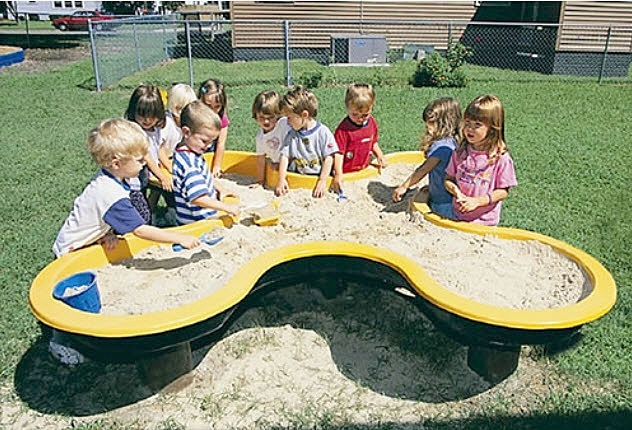
http://www.archiexpo.com/prod/miracle/sandboxes-for-playgrounds-56099-251253.htmlTeachers interested in technology integration are invited to come play in the Digitally Yours Sandbox. It is time and space for you to be supported as you collaborate on your tech-based projects (school-based or inter-school). All levels of expertise are welcome.

Register here.

Posted in Uncategorized | Tagged , , | Leave a comment

Planning Effective Lessons

An excerpt from How to Plan Effective Lessons, an article by Ellen Ullman in the October 2011 Education Update from ASCD.

Four key strategies for planning an effective lesson:

  1. Determine the purpose of the lesson.
    If you have a clear expectation, so will your students. “Remember, we are preparing our students for jobs we don’t even know about yet,” Kelly says. “They need to learn how to take ideas they hear and come up with new and creative ideas. Our lessons need to provide those kinds of opportunities.”
  2. Create space for student thinking and discussion.
    “I ask teachers to make sure their questions allow for student discussion,” Cedo says. “Can students agree, disagree, and explain their reasoning? Can they arrive at different conclusions and discuss with their peers in a comfortable, safe environment?”
  3. Be prepared to push that student thinking further.
    It helps to have prompts in your plan. How will you take them to the next level? How will you reach the ones who aren’t getting it? Students must have an opportunity to apply their thinking independently. This should be part of the lesson and can be whole-group, mini-group, or individual work.
  4. Make time for reflection.
    This is the time when you come together with your students and summarize what worked and what didn’t. By listening, you will know if you have met your goals and determine if any changes need to be made.

I found this a helpful reminder as I often found, in the busyness & rush of the school day, that I didn’t plan these intentionally in my lessons.

Additional resources (from the end of the article)

Posted in Uncategorized | Tagged , | Leave a comment

Professional Learning

Professional Learning – Newsletter #1

There many things that influence student learning.  Some influences have a large positive effect, some have a small positive effect, some have a negative effect and some have no effect.

Some influences can be changed and some cannot.  Of the influences that can be changed, some are easier and some are harder.  Some require less work and some require more work.  Some are inexpensive and some are costly.

Ideally we want to do the things that have the biggest positive effect, are the easiest to do, and require a manageable amount of effort.

Teachers make a huge difference.
What we do matters.

Continue reading

Posted in Uncategorized | Tagged , , , | 5 Comments

A Twitter Conversation on 21st CL

The following came out a Twitter chat I had this morning when I checked in on the #21CLBanff twitter stream.

I will update with some of the thread but here is my last contribution to the chat today #sohesays

For me the piece below speaks to what happens in the class room between the teachers and the students.  It’s about equipping students with the habits & tools to make inferences, generate powerful questions, pursue a line of inquiry (versus researching), and basically dealing with a world that is ambiguous and doesn’t always come with “correct answers”.

“… the skills students need in the 21st century are not new…  What’s actually new is the extent to which changes in our economy and the whorl mean that our collective success depends on having such skills…”

“This distinction between skills that are novel and skills that must be taught more intentionally & effectively ought to lead policy makers to different education reforms than they are now considering.”

“If the skills were indeed new, then perhaps we would need a radical overhaul of how we think about content and curriculum.  But if the issue is, instead, that schools need to be more deliberate about teaching critical thinking, collaboration, and problem solving to all students, then the remedies are more obvious, although still intensely challenging.”

— Rotherham & Willingham “21st Century Skills” Not New, But a Worthy Challenge” American Educator, Spring 2010

Via Roland Case, August 2011

Posted in Uncategorized | Tagged , , | Leave a comment

Newer English Teachers WS – Wed Nov 9

How English Teachers Survive Their First Early Years

Challenges facing a newer English teacher are similar to, but not the same as other teachers.  The English teacher is responsible for improving the students’ reading and writing skills more so than any other teacher.

This workshop will introduce some strategies to help you in this regard:

  1. Managing marking
  2. Student involvement in assessment
  3. Diverse learners: assessing and addressing their needs
  4. Six Trait Writing and useful websites
  5. 
Literature Circles

Attendees of the initial session will have input in deciding which of the above topics they would like to go into more deeply for subsequent sessions.

Date: Wednesday November 9th, 2011

Time:  4:00 to  5:30

Location: John Oliver Learning Commons (across from the Main Office)

Presenter: Pam Hansen, English Teacher (DT) & Literacy Mentor

Registration: Email Jacob Martens at jmartens@vsb.bc.ca or phone 778 228 1997

Posted in Uncategorized | Tagged , , , , | 2 Comments

Blogging Workshop – October 26

Blogging Sandbox for VSB Teachers (free)

For all teachers regardless of whether they are new to blogging, fledgling bloggers, or experienced bloggers.  There will be a short presentation on why a teacher would want to blog, blogging guidelines for teachers, and how to start blogging.  The rest of the session will be “sandbox time” to start a blog or work on an existing blog.  Come with questions and, if possible, bring a partner.

Examples of VSB teacher blogs can be found at: https://renomyclass.wordpress.com/

Date: Wednesday October 26th, 2011

Time:  4:00 to  5:30

Location: John Oliver Learning Commons (across from the Main Office)

Facilitator: Jacob Martens, Peer to Peer Consultant (778 228 1997)

Registration: Email jmartens@vsb.bc.ca 

Posted in Uncategorized | Tagged , , , | 1 Comment